5 Tips on How to Prepare Yourself for an Online Therapy Session
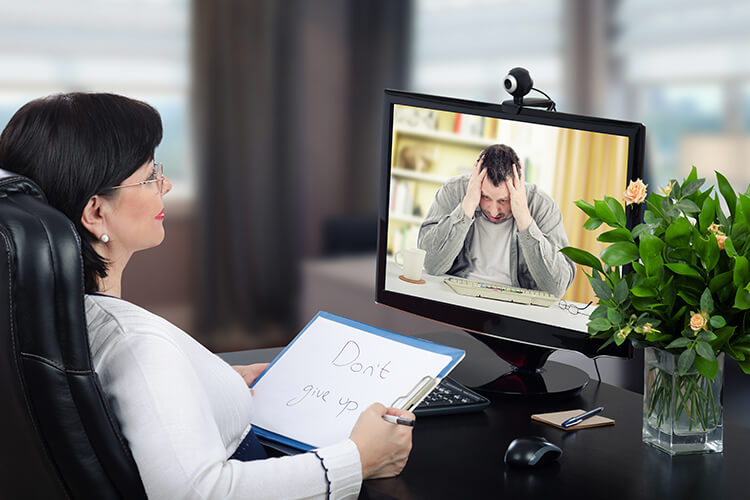
You should be aware of how to plan for your online therapy meetings in order to get the most out of them. Observe the following advice:
1. Ensure Your Privacy
We're more likely to watch what we say and hold back in a counselling session when we worry that someone else might hear or see us. To protect your privacy, join sessions from a location where passersby, family members, companions, and/or coworkers can't hear or see what you're talking about.
2. Minimize Environmental Distractions
Distractions conflict with the therapeutic process, prevent you from picking up new skills and prevent you from drawing important links between your past behaviour and current behaviour. To block out background sounds, try using a fan or white noise generator, or wear headphones while working.
3. Have a Backup Internet Connection Plan
The quality of the treatment you receive can be hampered and interfered with by poor video resolution, frozen video, and dropped internet connections. Prepare a fallback strategy in case your internet link drops or becomes erratic. This might entail giving your therapist your phone number so that you can resume your meetings over the phone, using your smartphone's "mobile hotspot" feature, or finding a place with reliable WiFi.
4. Be Present During Sessions
To complete chores like reading emails, folding laundry, putting away food, etc., St Louis counseling it might seem more practical to conduct virtual treatment from home or at the office. However, if you don't give your therapy appointment your full attention, you're more likely to overlook important insights and chances to put your newfound skills into practice.
5. Arrive Prepared with a Talking Point
Keep note of circumstances that you need help processing between appointments so that you can get started on them when therapy starts. We might not recall significant difficulties from our week when we log on from home or work and are not required to remain and reflect in a waiting area. Writing them down in a book or on a device, however, makes us more responsible and gives an internet therapist more time and space to help us where we need it the most.
Is Online Therapy Regulated?
Online counseling is subject to the same laws that apply to the particular service providers on these sites, which may differ from state to state. In general, a clinician must hold a licensure in the jurisdiction where the treatment is being provided in order to offer psychotherapy to a patient.
Additionally, HIPAA, which prohibits "covered organizations" from sharing or revealing confidential health information—including treatment records and diagnoses—with outside parties without a client's written permission, applies to all practitioners and sites providing online psychotherapy services. The only exception to this rule is when clients express an obvious desire to hurt either themselves or another person. In this case, the police, other service providers, or prospective victims may be notified along with other suitable authorities and people.
Which Mental Health Issues Can Be Treated With Online Therapy?
OCD, melancholy, anxiety, and bipolar disorder are St Louis mental health just a few of the mental health issues that can be addressed through internet consulting and virtual therapy:
PTSD
Researchers Christine Knaevelsrud and colleagues discovered in a 2007 BMC Psychiatry study that patients with PTSD experienced notable symptom relief after working with a virtual licenced therapist. Patients had to think back on and process painful recollections before correcting their dysfunctional beliefs and feelings of remorse and humiliation.
Addiction
An investigation published in Clinical Psychology Review in 2011 led by psychologist Sally Gainsbury found that using online CBT and motivational questioning significantly reduced the symptoms of people with alcohol and substance misuse, tobacco addiction, and gambling addiction (MI). By assisting patients in identifying unique incentives to improve, MI is a therapy that aids in boosting desire to change.
Insomnia
Researchers from Denmark working under the direction of psychologist Mia S. O'Toole found that internet-delivered cognitive behavioural treatment for insomnia (CBT-I) is successful in increasing both the quantity and quality of slumber.
Borderline Personality Disorder
According to a 2021 JMIR Mental Health study led by psychologist Margo Rivera, clients with borderline personality disorder who received online treatment with DBT skills instruction and education had better control over their emotions and had fewer fights or arguments with others.
Burnout
In their 2022 systematic analysis, researchers Jung-Hyun Park and coworkers found that online treatments that promoted the emotional freedom method (EFT) decreased burnout symptoms in nurses. EFT entails pressing repeatedly on particular spots on the body, head, and face while concentrating on a stressor.
Additionally, a 2012 PLOS ONE research conducted by psychologist Paul Emmelkamp found that 1,500 clients who received online CBT experienced marked improvements in their burnout symptoms.
Eating disorders
In a study published in the European Eating Disorders Review in 2021, it was discovered that online CBT helped 63 patients with binge eating disorder decrease their depressive symptoms and bouts of binge eating. Online treatment has been shown in numerous studies to be successful in reducing the symptoms of eating disorders in teenagers, according to psychologist Marilena Maglia and her coworkers.
More Online Therapy Services We Reviewed
We've evaluated other businesses that offer the same or comparable services in addition to the best online therapy services mentioned above. Read our complete evaluations if you're searching for more choices here:
Comments
Post a Comment